

Introduction
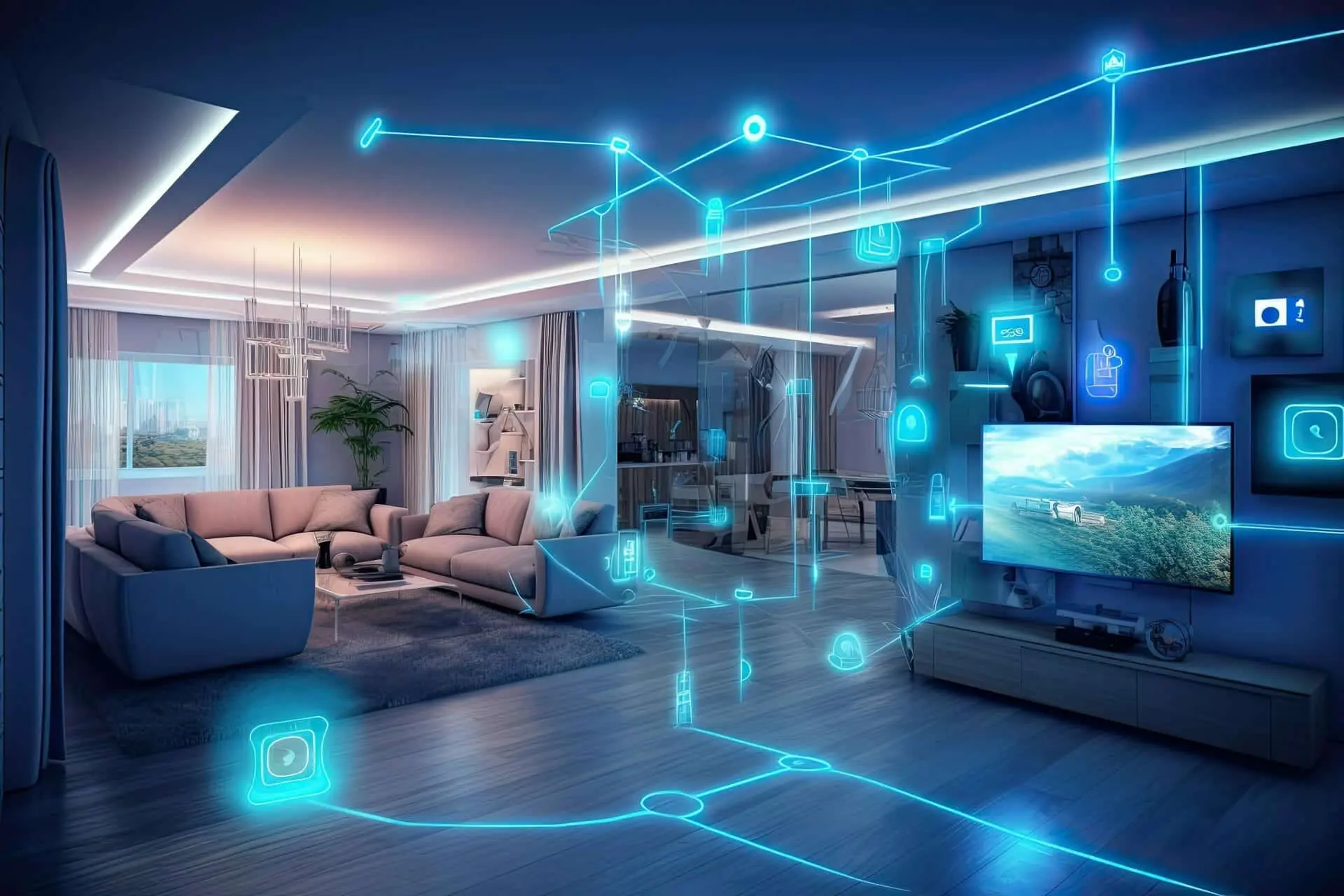
When people think of a “Smart Home,” they often picture using a smartphone app to turn off a lightbulb or switch on a television. While this remote control is undoubtedly convenient, it is only the beginning. True smart living means your home actively works for you, anticipating your needs, managing energy, and protecting your property without you having to press a single button.
The secret behind this true automation lies in smart sensors. These tiny, unnoticeable devices act as the eyes, ears, and nervous system of your house. By detecting movement, temperature shifts, and doors opening, smart sensors transform a standard reactive house into a highly responsive ecosystem.
Whether you want to sleep soundly knowing your family is safe or walk into a perfectly cooled living room after a long day at work, smart sensors are the foundational building blocks that make automated living possible.
The Invisible Shield: Maximizing Home Safety
Effective home security is not just about noisy sirens after a break-in has occurred; it is about multi-layered detection, immediate deterrence, and real-time visual verification.
1. Securing the Perimeter and Thresholds
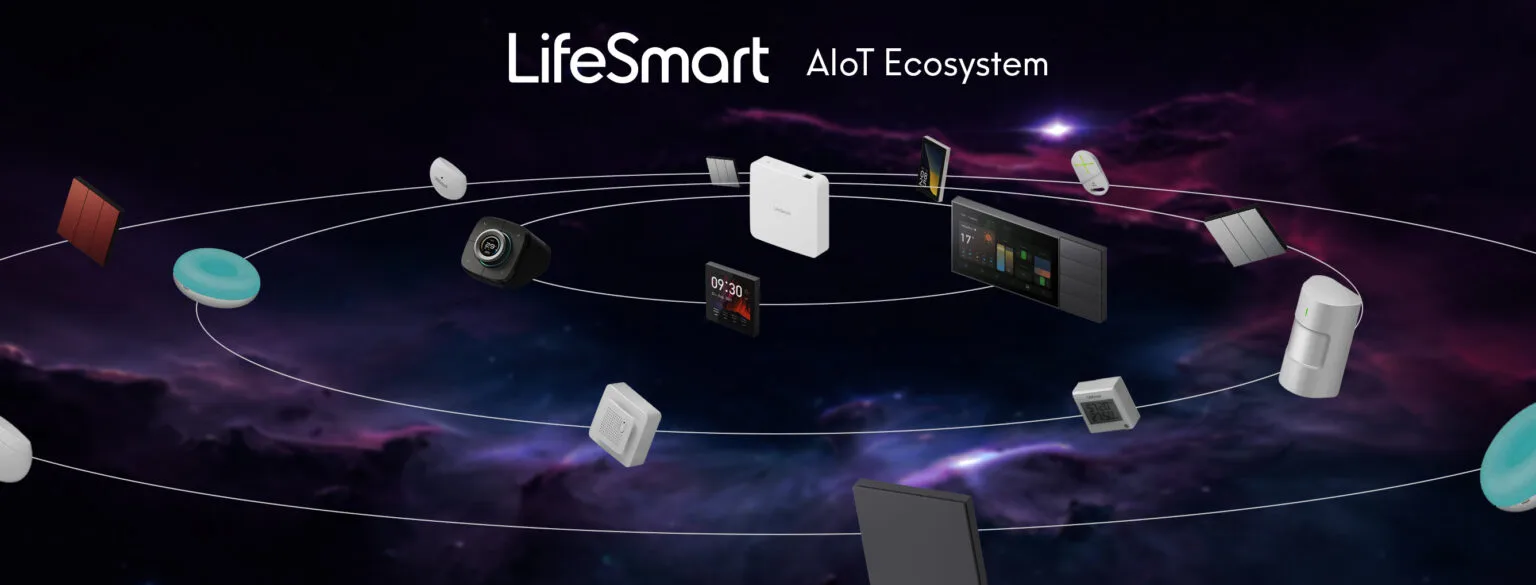
The primary layer of defense begins at access points. DEFED Door/Window Sensors sit discreetly along entry frames. When an entryway opens unexpectedly, the sensor immediately communicates with the central hub such as a Smart Station or Smart Station Pro and permanently records a time-stamped log directly in your smartphone app.
For high-priority security, these sensors are tied directly to a DEFED Indoor Siren. When the system is armed under “Away Mode,” opening the door triggers an automated entry delay countdown (or automatically disarms upon verifying an authorized fingerprint or PIN via smart lock). If the system is not disarmed within the grace period, it instantly fires the high-decibel siren and flashes selected lights to immediately deter intruders.
2. Targeted Detection and Visual Verification
Rather than flooding every room with motion detectors, strategic placement combined with targeted cameras provides complete peace of mind:
- Threshold Entry Detection: At main entryways, installing a DEFED Motion Sensor configured with a narrow, linear beam across the doorway creates an invisible boundary. The moment anyone crosses the threshold, the system recognizes an entry event instantly, functioning as an alarm trigger when armed, or a welcoming light trigger when unarmed.
- Outdoor Camera Perimeter Defense: A Smart Outdoor Camera 5MP covers the first visual perimeter outside the building. Built with an IP66 weatherproof housing to endure heavy tropical rain and intense heat, it actively monitors driveways and entry gates. Equipped with infrared night vision and motion detection, it links with the smart home ecosystem to record high-definition footage and send instant snapshot alerts the moment someone steps into the property.
- Indoor Camera with 360° Visual Confirmation: An indoor LifeSmart Camera serves as the verification layer inside the living space. Featuring a 360-degree pan-and-tilt mechanism and two-way audio, it eliminates blind spots. When away from home, you do not need to monitor the screen constantly; if a window sensor or perimeter trigger trips, the indoor camera automatically rotates toward the target zone, captures a snapshot, and notifies you immediately, allowing you to use two-way talk to deter intruders.
Fast Fact
Security studies show that homes with visible, instant-trigger alarm systems are up to 300% less likely to be targeted by burglars. By linking a DEFED Door Sensor directly to a high-decibel siren and flashing lights, you shift your home’s defense from merely “recording a crime” to actively stopping it before the intruder even enters.
Elevating Everyday Comfort
While safety sensors provide peace of mind, comfort-focused sensors remove repetitive physical tasks, allowing the house to adapt to your daily rhythm.
1. Walk-in Automation
Imagine carrying heavy groceries into your house at night. Instead of fumbling in the dark for a light switch, a Motion Sensor detects your arrival and instantly turns on the hallway lights. Once you leave the area, the sensor notes the lack of motion and turns the lights off after a few minutes, seamlessly saving energy.
2. Precision Climate and Lighting Control
Malaysia’s weather can be unpredictable, but your indoor environment does not have to be. By utilizing the CUBE Environmental Sensor (which tracks real-time light, temperature, and humidity), your home can actively manage its own climate and ambiance.
Instead of freezing in the middle of the night, the sensor works together with an infrared controller like the Spot Mini to manage traditional split-unit air conditioners. When the CUBE Environmental Sensor detects that the room has dropped below 23°C, your system signals the Spot Mini to beam an IR command to the air conditioner, raising the temperature or lowering the fan speed automatically.
Furthermore, because the sensor constantly monitors ambient light levels, it can trigger smart curtain motors to glide shut when the afternoon sun gets too harsh. This creates a consistently comfortable environment, eliminates manual adjustments, and significantly reduces compressor wear and monthly electricity bills.
Fast Fact
According to energy efficiency studies, every 1°C increase on an air conditioner setpoint can save approximately 6% to 10% in cooling energy. Pairing an environmental sensor with an automated smart controller eliminates accidental 16°C overuse, cutting monthly power bills without sacrificing indoor comfort.
3. Voice Assistant Integration
A smart home is designed to fit naturally into your lifestyle, which is why sensor systems often integrate flawlessly with voice assistants like Amazon Echo series.
If you are already tucked into bed, you do not need to check your app logs to see if the front door is closed. Simply say, “Alexa, good night,” and your system can arm the door sensors, turn off the living room lights, and set the bedroom air conditioner to the perfect sleeping temperature.
The Tech Backbone: Wi-Fi vs. Dedicated Protocols

While sensors deliver safety alerts and automated comfort, their effectiveness entirely depends on how reliably they communicate behind the scenes. An alert that arrives late due to network lag is a security failure, and an automation that drops offline ruins daily comfort.
One of the most important decisions when setting up smart sensors is how they communicate. A common misconception is that all smart devices must connect directly to your Wi-Fi router.
From an engineering perspective, standard Wi-Fi is designed for high-bandwidth tasks (like streaming video), which requires continuous power and can quickly drain the small batteries used in sensors. To solve this, modern systems utilize dedicated low-power smart home protocols (such as CoSS) rather than standard Wi-Fi.
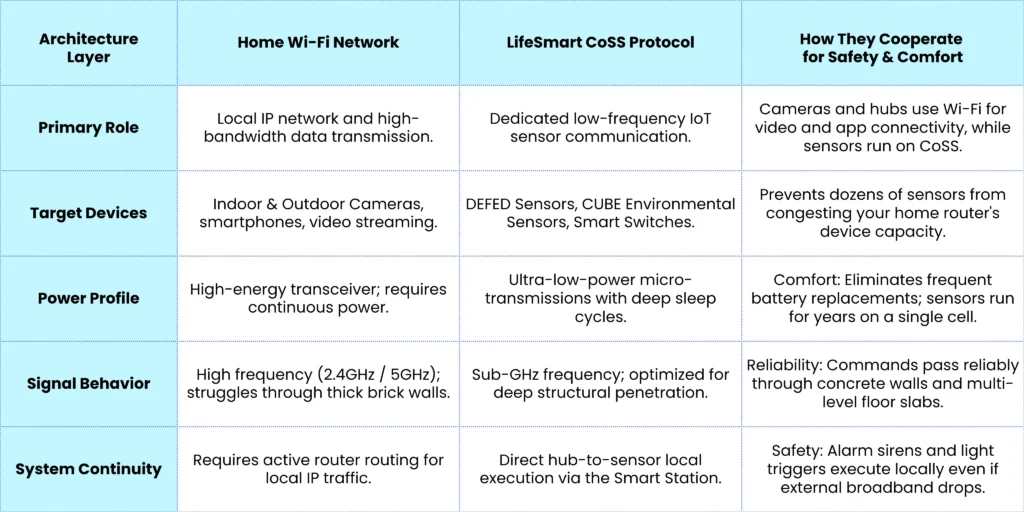
By utilizing a dedicated protocol, your wireless sensors can run efficiently for years, while your home’s Wi-Fi router remains completely free to handle heavy internet tasks without lag.
Professional Sensor Placement Blueprint
To ensure both seamless automation and zero false triggers, sensors should follow a clear functional layout:
- Main Entrance / Foyer: Deploy a DEFED Motion Sensor on the doorway to trigger entrance lighting, backed by a DEFED Door/Window Sensor for status logging.
- Bathrooms: Rely on a Human Presence Sensor to maintain constant illumination and ventilation without premature shutoffs during quiet use.
- Transitional Walkways (Walkways, Staircase): Use standard motion sensors to deliver light on demand and auto-shutoff when spaces are vacated.
- Bedrooms & Workspaces: Position a CUBE Environmental Sensor paired with a Spot Mini to automate air conditioning cycles based on real room temperature rather than fixed thermostat timers.
Planning Tip
Match the sensor to the room’s behavior. Use linear-beam motion sensors for entry thresholds, standard motion for transit zones, and presence sensors for stationary rooms like bathrooms to ensure smooth, invisible automation.
Bottom Line
True home automation is not about filling a home with screens; it is about deploying the right sensors in the right locations. By utilizing specialized detection methods, pairing monitoring sensors with execution devices like the Spot Mini, and building on a stable protocol like CoSS, you create a living space that stays reliably protected and effortlessly comfortable every day.