Introduction
Did you know that as we rush toward a cleaner energy future, we face a big technical problem? We know how to generate renewable power, but we struggle to store that electricity so it is ready the exact moment we need it. Did you realize that most people assume solar energy only powers buildings while the sun shines? In reality, Solar power produces the most electricity at noon when people use it least, then shuts off at night right when energy demand peaks. This mismatch puts a huge strain on the power grid. Battery Energy Storage Systems (BESS) solve this by storing extra solar power and releasing it instantly during peak hours to keep the grid stable. You can see that BESS is one of the ultimate fixes to cut heavy Maximum Demand charges and lock in reliable energy.
What is a BESS?
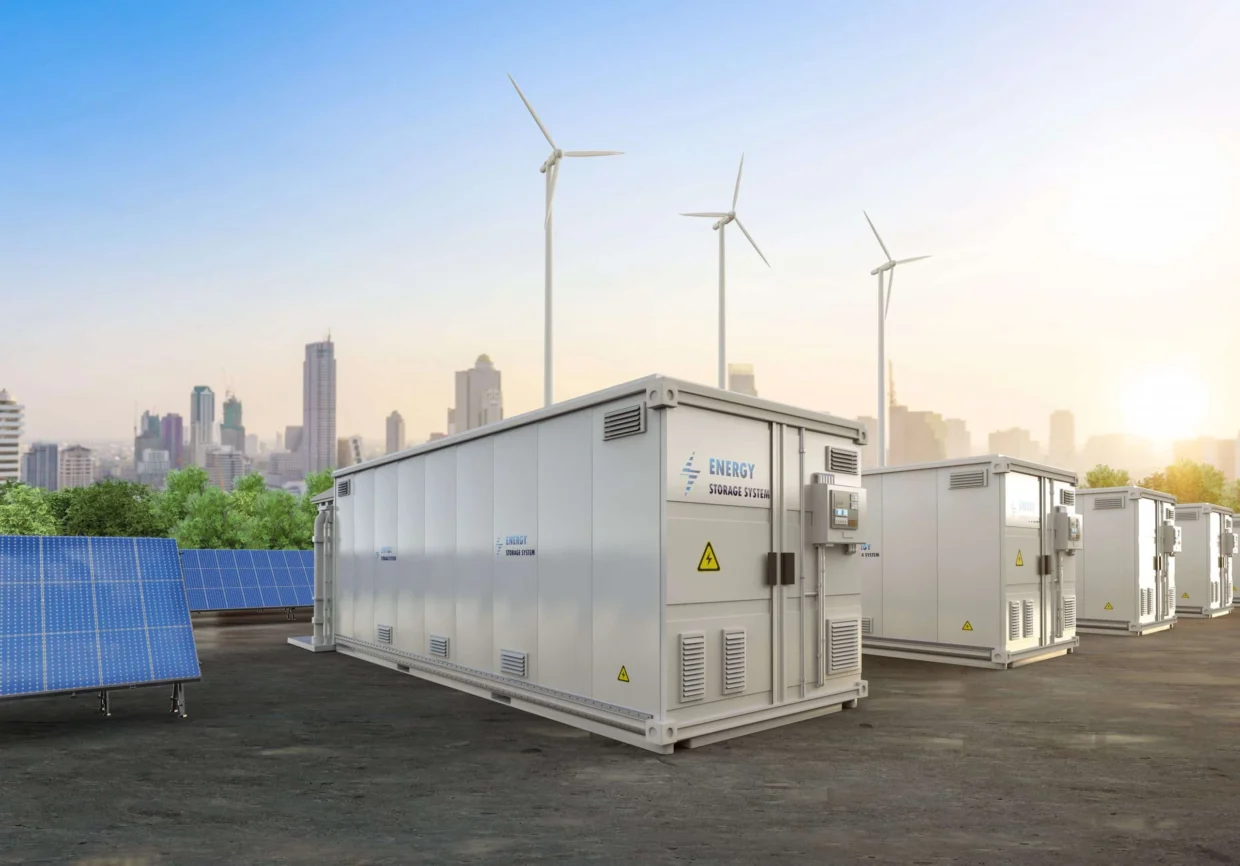
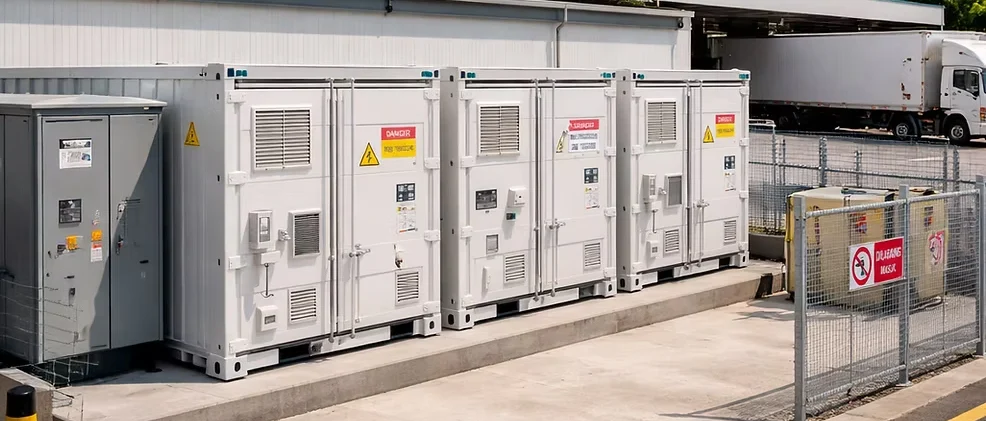
A Battery Energy Storage System (BESS) is an advanced system that captures electrical energy from power sources like solar panels or the power grid and stores it in rechargeable batteries for later use. Instead of wasting extra power, a BESS acts like a large, smart power bank for facilities, commercial buildings, and factories. We recommend replacing noisy diesel generators with BESS to secure clean, instant power on demand. For local business owners, adopting a BESS is the single best strategy to slash costly Maximum Demand charges and guarantee reliable power.
How Does a BESS Work?
The operational cycle of a Battery Energy Storage System follows THREE primary phases:
CHARGING
Draws AC power from solar, wind, or off-peak grid electricity, using a bidirectional inverter (Power Conversion System) to convert it into DC for battery storage.
STORAGE & MONITORING PHASE
Holds energy as chemical potential inside electrochemical cells, where the Battery Management System (BMS) monitors safety and cell health while the Energy Management System (EMS) determines the best time to store or release power.
DISCHARGE PHASE
Reverses the process when power is needed converting stored DC electricity back into AC power to supply facilities or stabilize the grid.
At a larger scale, this cycle allows BESS to maintain balanced and dependable power networks by capturing electricity when supply is abundant and releasing it when demand increases.
What are the Benefits of BESS?
BESS can bring many useful benefits; here is why industries are recommended to use it. It is actively managed to save energy, reduce costs, and keep the power supply reliable. BESS can do more than just store electricity; it also highlights how they contribute to a greener, more reliable energy future.
Keep the Power Running
Provide backup power during a blackout or power interruption, helping important equipment continue to operate.
Improve Grid Stability
Helps balance the electricity supply and demand, which can make the power grid more stable and reliable.
Reduce Peak Energy Usage
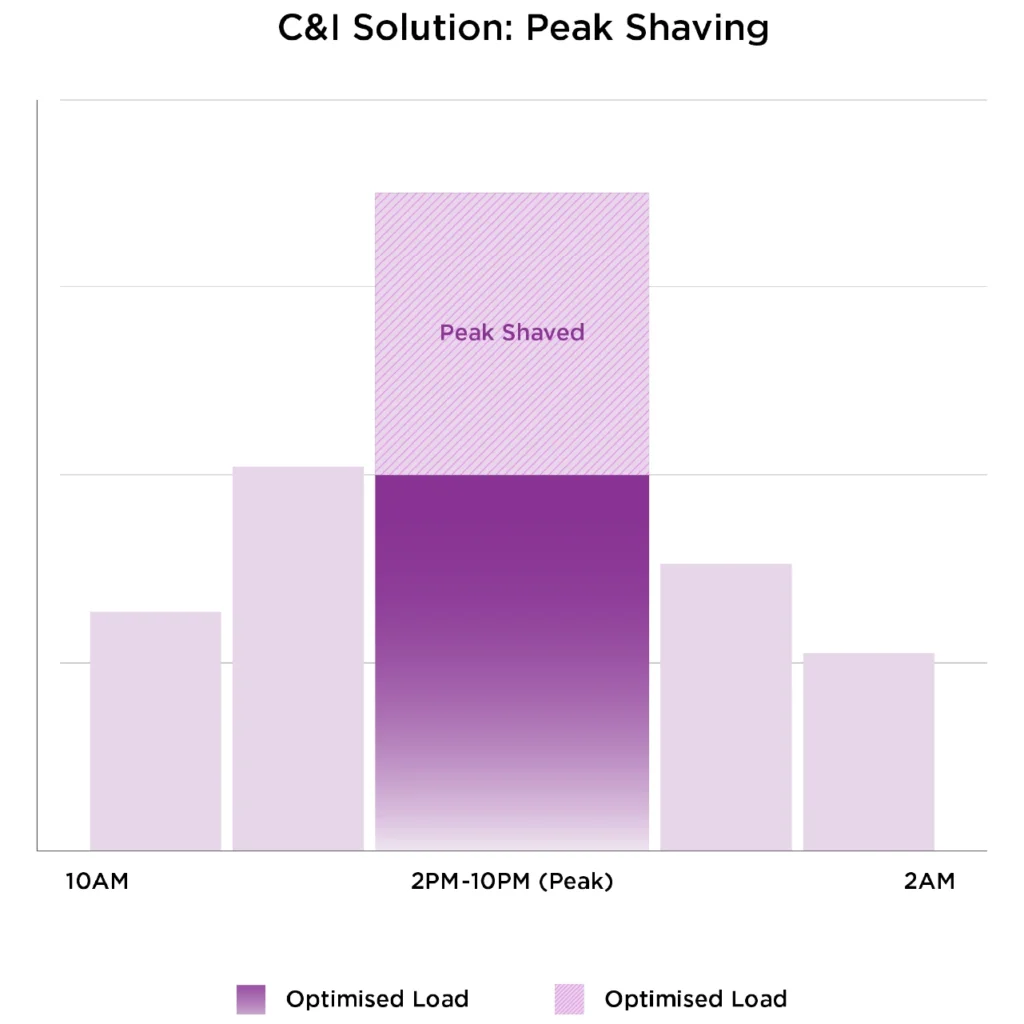
Supply stored energy when electricity demand is high. This can help reduce peak usage and lower electricity costs.
Easy to Expand
Modular, so you can add more battery capacity when your energy needs increase
Make Better Use of Solar Energy
Extra solar energy can be stored in the battery instead of being wasted. You can then use the stored energy when there is less sunlight or when energy demand is higher.
How BESS is Related to Energy Saving?
Although a BESS does not produce electricity, you may use it to manage your power usage, slash monthly bills, and lower carbon emissions. By storing extra solar power produced during the day, you can run your facility at night instead of paying for expensive grid electricity. You can also charge the battery overnight when electricity rates are lowest, then use that stored energy during peak price hours to avoid high utility tariffs without slowing down your operations. Furthermore, keeping stored energy directly at your facility prevents power loss over long utility lines, while replacing old backup generators with instant battery power eliminates high diesel fuel costs, engine repairs, and dirty smoke.
Why Implement BESS?
Organizations and utilities use BESS to manage energy more efficiently and reduce operating costs.
Improve Energy Reliability
Provides backup power during power interruptions and helps reduce the impact of unstable electricity supply and changing energy prices.
Reduce Carbon Emissions
Can store energy from renewable sources such as solar and use it when needed. This helps organizations reduce their carbon footprint and support their ESG goals.
Save on Energy Costs
Helps reduce electricity costs by storing energy when demand or electricity prices are lower and using it during peak periods. This can also help reduce peak demand charges.
Prepare for Future Needs
Helps organizations prepare for higher energy demand, new EV charging stations, and future changes in energy and environmental requirements.
Therefore, BESS is a practical way to manage energy more efficiently. As you may already know, electricity costs can be high, especially during peak hours. But did you know that BESS can store energy when demand is low and use it when demand is higher? This can help reduce energy costs while supporting the use of renewable energy and a more sustainable future.
Modern Lithium-ion BESS can switch from idle to full power output in under 100 milliseconds responding up to 100 times faster than traditional fossil fuel plants to prevent sudden grid blackouts.
Bottom Line:
Battery Energy Storage Systems (BESS) function as a smart energy bank, capturing surplus power to balance electrical grids and provide reliable energy. In countries like Malaysia undergoing rapid energy transformation, BESS is essential for scaling renewables, reducing power costs, and driving sustainable growth. This is why industries need BESS, it helps reduce extra charges and power bills, provides instant backup during blackouts, makes better use of solar energy, and supports industries in achieving their ESG and sustainability goals.