
Introduction
As our family members age, it becomes essential to balance their desire for independence with the need to ensure their safety in daily activities. This challenge is particularly pronounced in multi-generational households or situations where adult children maintain full-time jobs, leading to ongoing concerns about the well-being of elderly parents left alone during the day.
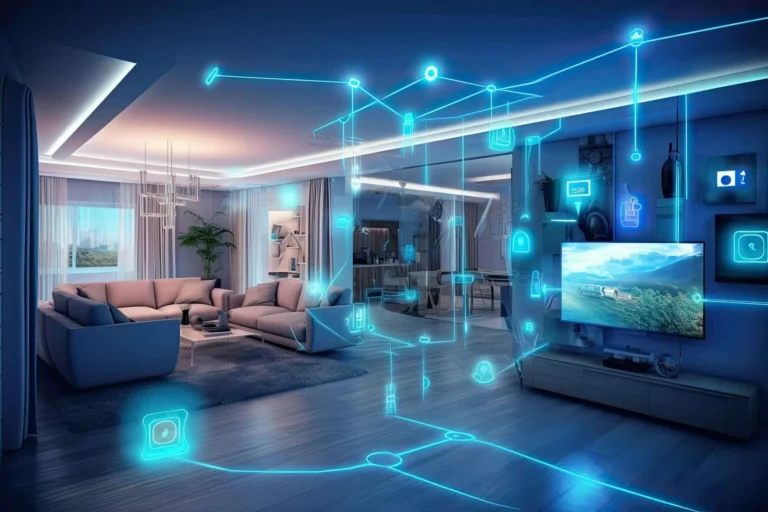
Traditional caregiving methods can often feel limiting or invasive. However, modern smart home technology presents a powerful alternative. By integrating discreet and intelligent automation into their living environments, families can create a protective framework that allows aging relatives to maintain their independence while providing caregivers with reassurance and peace of mind.
The Core Challenge: Independence vs. Everyday Safety
Aging in place introduces a variety of physical changes, such as gradual vision impairment, decreased mobility, joint discomfort, and slower reflexes. Many seniors prefer to stay in the comfort of their familiar homes rather than moving to assisted living facilities. However, everyday home environments can present unexpected risks.
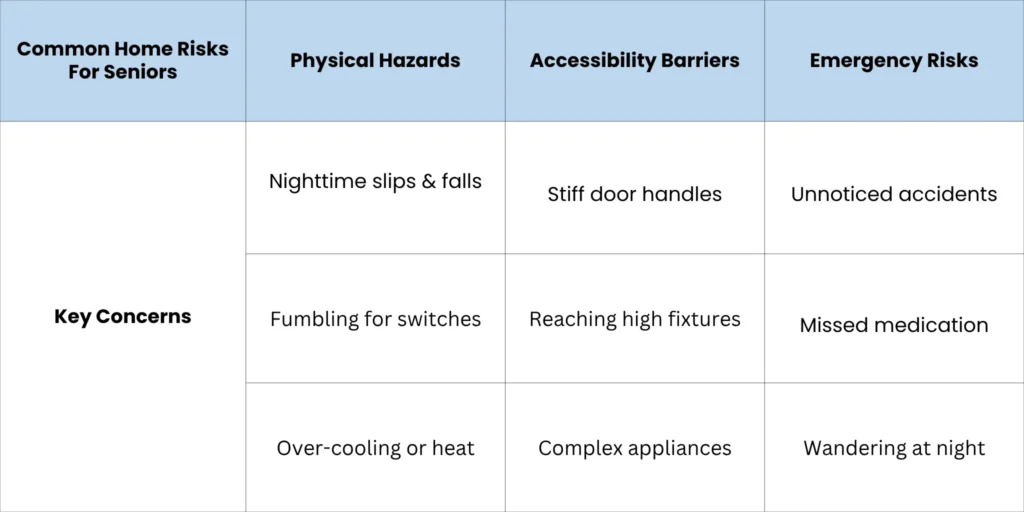
Without appropriate adaptations, simple daily actions such as getting up for a glass of water at 2:00 AM or turning off a hard-to-reach standing fan can result in dangerous falls.
Enhancing Daily Physical Accessibility
Accessibility extends beyond the installation of ramps; it involves eliminating every minor point of physical friction within the home environment.
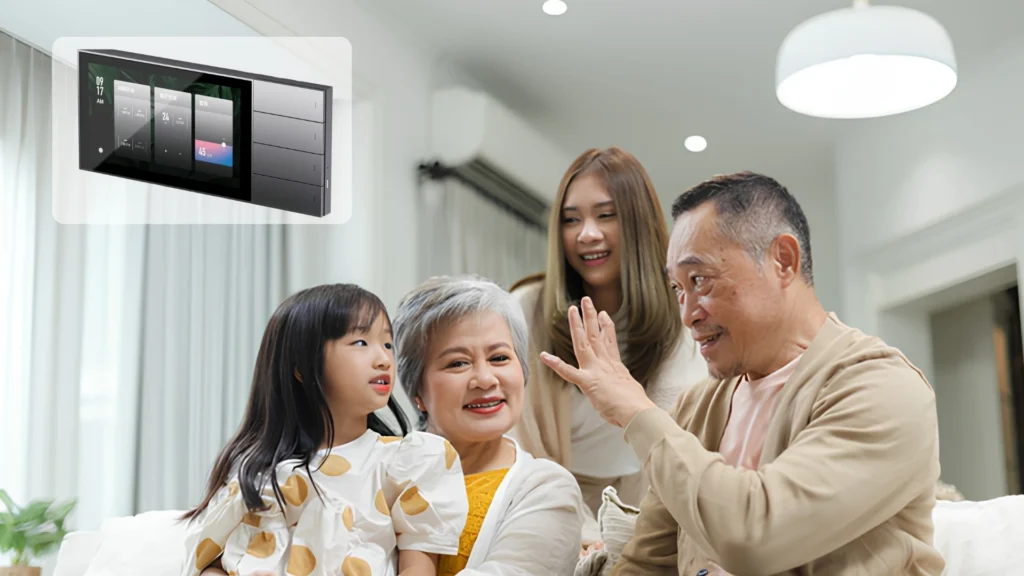
Hands-Free Control Interfaces
Elderly individuals who struggle with arthritis, hand tremors, or weakened grip strength often find traditional physical switches uncomfortable or challenging to use. Smart control interfaces effectively address this issue:
- Tactile & Touch Panels: Wide, glass-surface smart wall switches serve as replacements for rigid mechanical switches, requiring only a light tap to activate room lighting.
- Voice Assistant Commands: By integrating central smart stations with platforms such as Google Assistant, Apple HomeKit, or Amazon Alexa, seniors can effortlessly adjust room lights, turn on ceiling fans, or modify air conditioning settings using simple, conversational voice commands, all without the need to rise from their chairs.
Automated Pathway Illumination
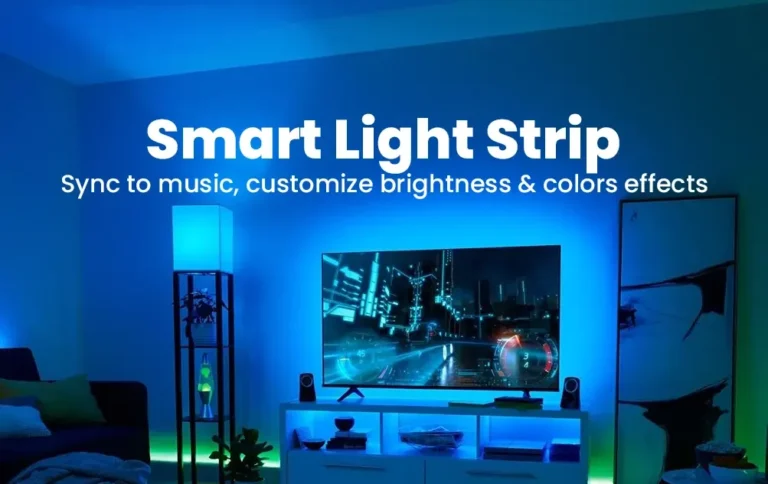
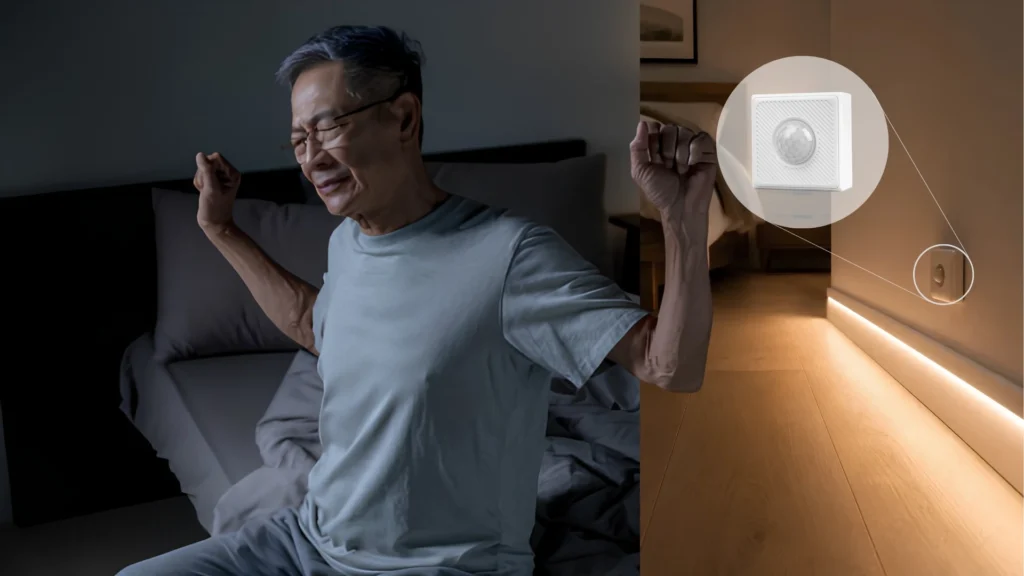
Bright lighting can disorient aging eyes, while darkness significantly heightens the risk of falls. By strategically placing motion sensors along baseboards, hallways, and beneath bed frames, smart lighting systems create adaptive pathways:
- Nighttime Motion Triggers: When seniors step out of bed, low-level, warm-temperature nightlights automatically activate along the route to the bathroom, illuminating the path without overwhelming the senior or disrupting their sleep cycle.
- Hands-Free Deactivation: Once the motion sensor determines that the room or hallway is unoccupied, the lights automatically dim and switch off, ensuring energy efficiency and safety.
Fast Fact
The global smart home healthcare and senior care automation market is expanding rapidly as families prioritize non-invasive aging-in-place solutions. Studies show that over 80% of seniors prefer to live independently in their own homes, and simple automated adaptations—such as motion-triggered night lighting and emergency panic triggers—can reduce home accident risks by up to 50%.
Custom Scene Automations Tailored for Seniors
Instead of requiring seniors to operate individual appliances separately, smart scenes consolidate multiple device actions into a single automatic trigger or button press.
Elderly Care & Non-Intrusive Emergency Safety
Implementing camera surveillance in private areas, such as bedrooms or bathrooms, can invade an elderly parent’s privacy and diminish their self-esteem. Modern smart home ecosystems address this concern by utilizing non-visual, discreet sensor networks and portable panic triggers, thereby ensuring safety without compromising dignity.
Key Fob and One-Touch Panic Triggers
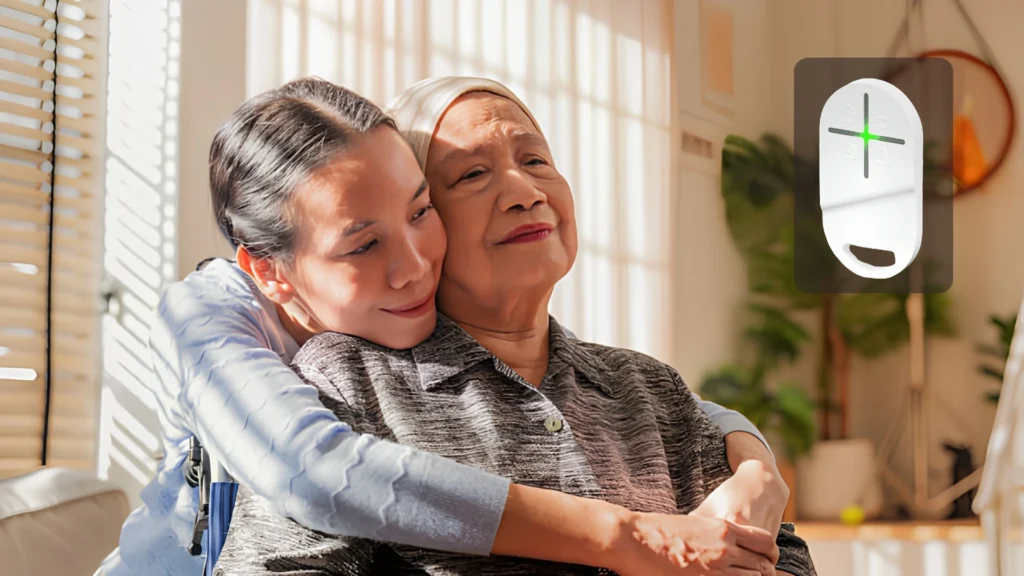
Providing elderly family members with a compact and portable Key Fob establishes an immediate and user-friendly emergency response mechanism:
- Customized Scene Buttons: The remote features dedicated buttons that can be pre-configured for instant emergency triggers or to activate custom scenes, such as sounding a home SOS alarm or unlocking entry points for emergency responders. Door & Cabinet Contact Sensors
- Long Wireless Range and AES128 Security: The fob operates using high-security AES128 data encryption and boasts a wireless transmission range of up to 800 meters, ensuring reliable signal delivery whether the senior is resting in bed, moving around the living room,or enjoying time on the porch or in the garden.
Smart Environmental Control and Thermal Wellness
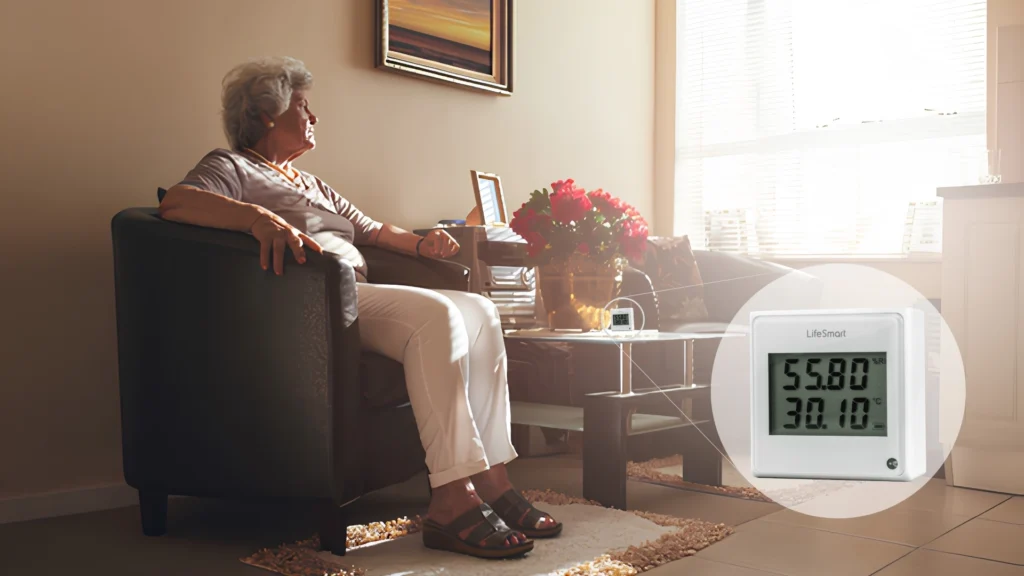
Maintaining an optimal indoor environment significantly impacts an aging parent’s physical well-being. Extreme temperature fluctuations or high humidity levels can intensify joint pain, trigger respiratory discomfort, and disrupt healthy sleep patterns.
Automated Climate Regulation
Older adults frequently experience reduced sensitivity to temperature, which makes them susceptible to remaining in excessively cold air-conditioned rooms or unventilated, hot spaces without recognizing the associated health risks.
Dynamic Temperature Adjustments: Smart thermostats, connected to ambient temperature and humidity sensors, continuously monitor living areas. If a bedroom temperature falls below a comfortable threshold during the early morning hours, the air conditioning system automatically adjusts its target temperature or switches to a gentle fan mode.
Preventing Heat Exhaustion: In tropical climates, where afternoon heat can rapidly increase indoor temperatures, smart environmental sensors activate motorized curtains to close windows that receive peak sunlight, effectively keeping the interior cool and shaded without requiring manual intervention.
Air Quality Management
Aging lungs are especially sensitive to dust, airborne allergens, and elevated carbon dioxide levels, which can lead to drowsiness and fatigue.
Automated Purification Triggers: Smart air quality monitors continuously assess indoor particulate matter. When the system detects spikes in dust or humidity, it automatically activates air purifiers and fresh-air ventilation fans, ensuring that your parents breathe clean, oxygen-rich air throughout the day.
Who Benefits Most From This Setup?
Aging Seniors Living Independently
These individuals maintain their full lifestyle independence, avoid relocating to care facilities, and can easily manage their environment.
Working Adult Children & Caregivers
They gain peace of mind with real-time safety alerts while avoiding the feeling of “spying” on their parents.
Multi-Generational Household
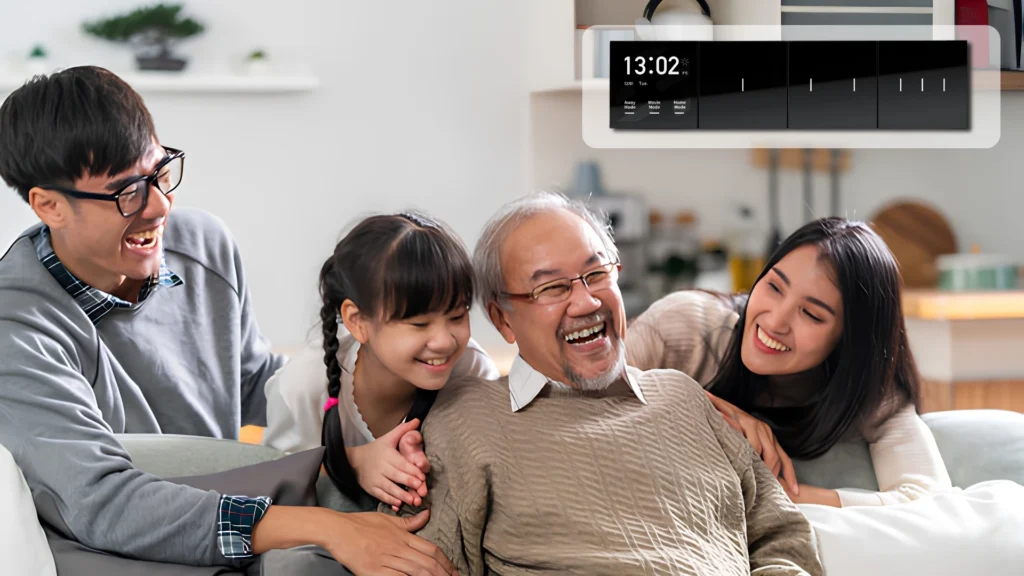
This setup simplifies household management, ensuring that everyone, from young children to grandparents, enjoys a comfortable living environment.
Restoring Dignity Through Thoughtful Technology
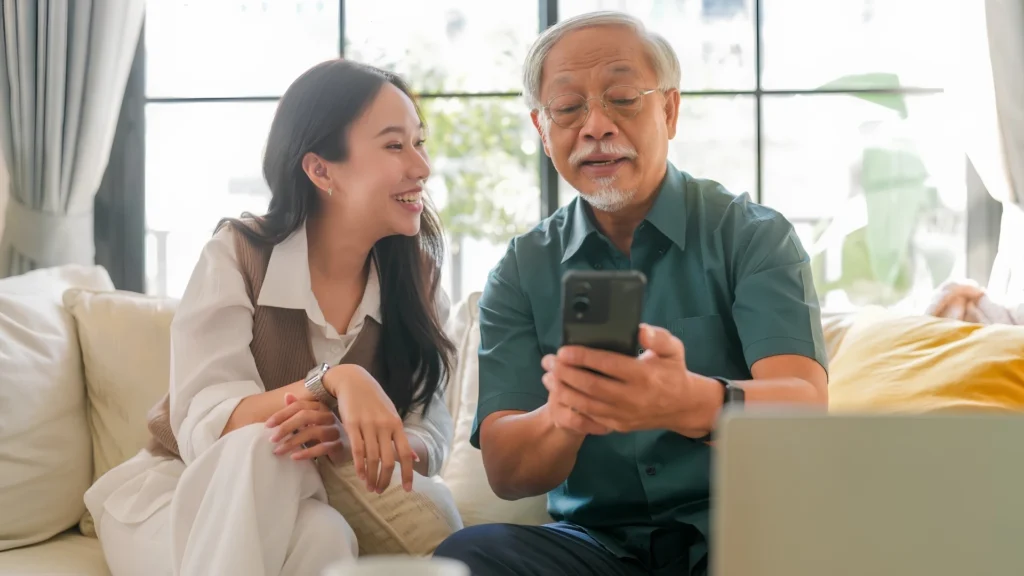
Upgrading a home for aging family members focuses not on replacing human contact or transforming the home into a sterile medical environment. Instead, it aims to eliminate daily physical obstacles, enabling seniors to navigate their surroundings safely, comfortably, and with complete dignity.
By substituting hard-to-reach switches with voice commands, installing automatic lighting for nighttime movement, and utilizing passive safety sensors, families create a secure living space that allows aging parents to thrive while keeping caregivers informed.
Final Word: Why Senior Smart Automation Matters
Smart home automation for senior care is not just a set of modern gadgets; it is a supportive system that adapts to your family’s lifestyle and interactions. Whether you manage a multi-generational home or assist aging parents living independently, these smart devices provide the foresight, freedom, and flexibility to protect your loved ones without disrupting their daily lives.
From motion-activated lights and automatic climate control to panic buttons and voice-controlled appliances, these solutions blend convenience, intelligence, and safety into a cohesive caregiving framework.
Bottom Line:
As our homes become smarter, the key question is not if we should modify our living spaces for aging family members, but when. Smart home safety features are no longer just futuristic luxuries; they are quickly becoming essential for modern caregiving.
Once you set up a senior-friendly smart system, you will quickly see how it restores independence to your parents and brings peace of mind to your family.